Demineralised and high-purity water
Molybdenum and heavy metal removal
Standby vessels for plant outages
Resin supply and servicing
Ion exchange systems for demineralised water and targeted contaminant removal, supplied and serviced from Townsville.
Ion exchange (IX) removes dissolved ions from water by swapping them for harmless ions held on a resin. We supply, install and service ion exchange systems for boiler feed, power stations, laboratories and process water, and use selective resins to remove metals such as molybdenum to discharge permit limits, on their own or paired with reverse osmosis.

What our ion exchange systems are used for
Emergency and standby supply
Pre-charged vessels mobilised from Townsville during an outage.
Boiler feed and power stations
Demineralised water that protects boilers and turbines.
Molybdenum and heavy metal removal
Selective resins to meet discharge permit limits.
Laboratory and high-purity water
Polishing systems for site and research labs.
Mine site process water
Treated water for processing on remote mine sites.
Demineralisation plant rebuilds
Existing IX and demin plants rebuilt, with operator training.
Which ion exchange system do you need?
Ion exchange systems are matched to what you need to remove and how pure the water needs to be.
Demineralisation
Demineralised and high-purity water
Best for
Boiler feed, power stations, laboratories and process water where dissolved minerals cause scaling or contamination.
How it works
Cation and anion resins, or a mixed bed, strip dissolved minerals. Often paired with RO first to extend resin life.
Selective contaminant removal
Metals and trace ions to permit limits
Best for
Mine water and discharge streams where one contaminant, such as molybdenum or a heavy metal, is above the permit limit.
How it works
A resin chosen for the target ion removes it while the rest of the water passes through.
Softening
Hardness removal
Best for
Cooling tower make-up, boiler feed and process water where calcium and magnesium cause scale.
How it works
A softening resin swaps calcium and magnesium for sodium, and is regenerated with salt.
Not sure which fits? Send us your water analysis and target limits, and we will help you choose the right system.
How ion exchange works
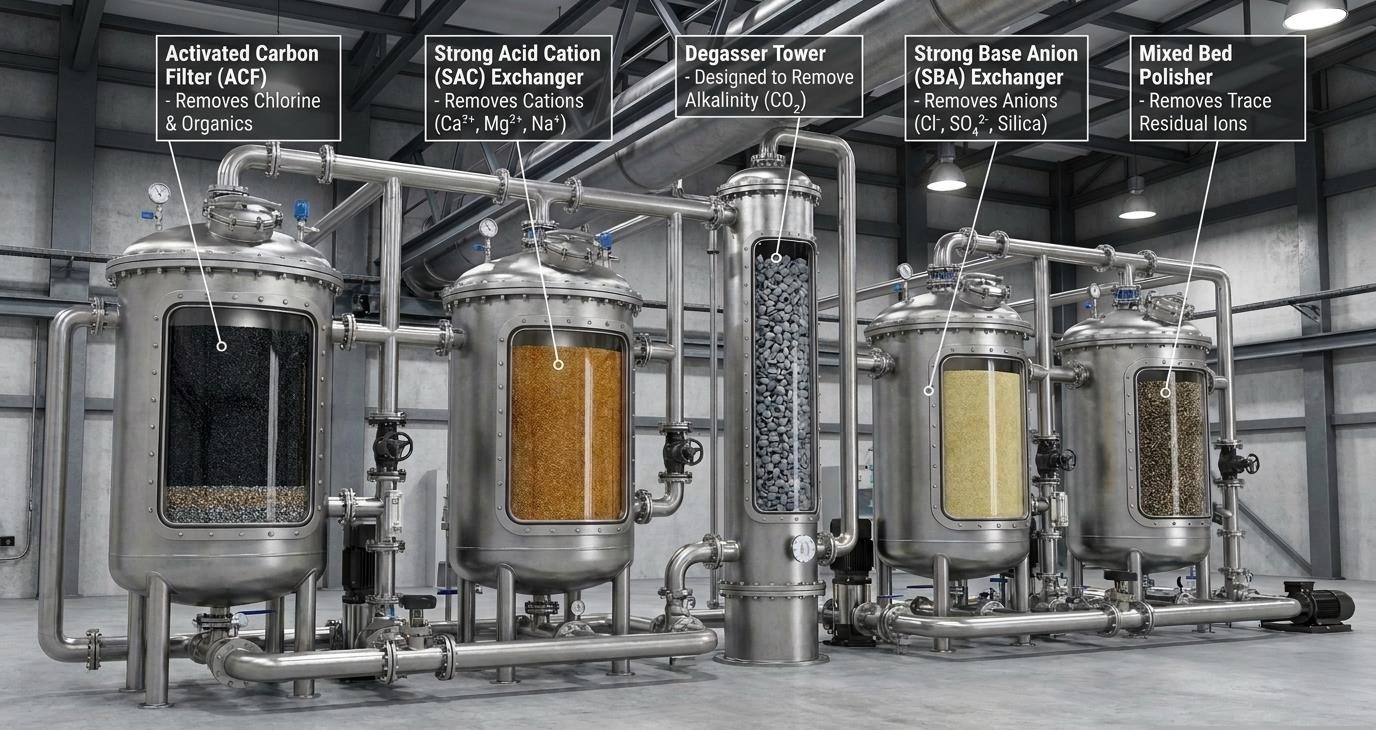
Water flows through a vessel packed with resin beads. The beads hold harmless ions, usually hydrogen, hydroxide or sodium, and swap them for the unwanted ions in the water. When the resin is full, it is regenerated with an acid, caustic or salt solution, or the vessel is exchanged for a fresh one, and the cycle starts again.
Ion exchange or reverse osmosis?
| Ion exchange | Reverse osmosis | |
|---|---|---|
| What it removes | Specific dissolved ions, chosen by resin type | Most dissolved salts and contaminants at once |
| Best for | Polishing to high purity, and targeting one contaminant | Bulk removal from salty or high-mineral water |
| Running costs | Resin regeneration chemicals or vessel exchange | Power, membrane cleaning and replacement |
| Used together | Often, as the polishing or targeting stage after RO | Often, as the first stage that removes the bulk |
For very high purity without regeneration chemicals, we can add electrodeionisation (EDI), an electrically driven polishing stage.
How an ion exchange project works
Water analysis
We review your lab results, target limits and daily volume. Submit yours.
Resin and vessel selection
Resin type, vessel size and regeneration method matched to your water.
Supply or build
Vessels and skids supplied or built, and resin loaded, from Townsville.
Install and commission
Installed and commissioned on site, with operator handover.
Regeneration and service
Resin regeneration or vessel exchange, resin replacement and servicing.
Standby and exchange vessels
High-purity water when your plant is down
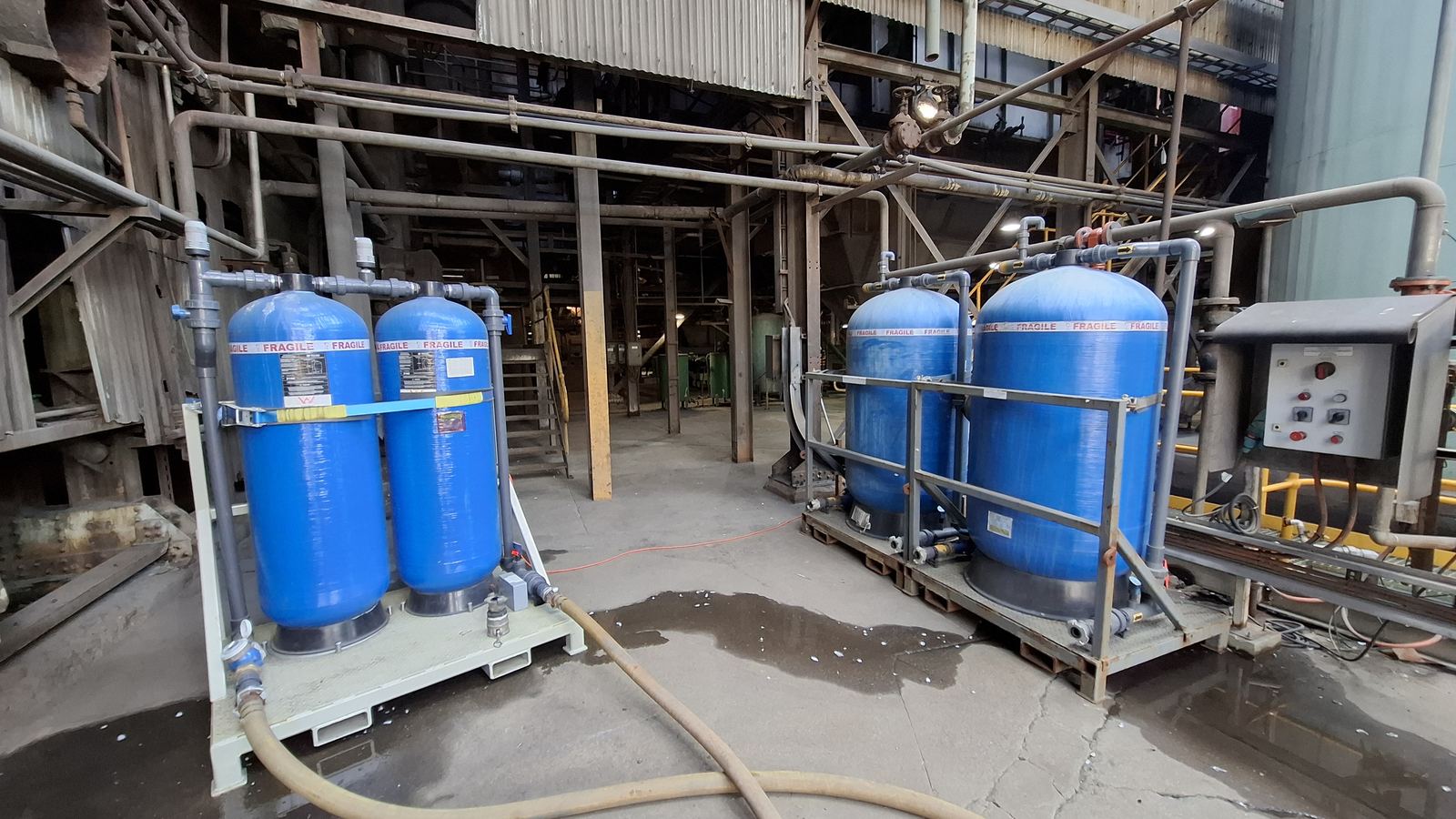
Pre-charged vessels
Vessels charged with fresh resin, ready to connect to your system. Sizes to suit your flow; ask our team about current availability.
Rapid mobilisation
Dispatched from Townsville to keep boilers, turbines or processes running during an outage or rebuild.
Vessel exchange
Exhausted vessels swapped for fresh ones, so regeneration happens off site.

Built in our Townsville workshop
Ready to connect on arrival
Smaller ion exchange, softening and filtration systems are assembled on a frame in our Townsville workshop and checked before they leave, so they arrive on site ready to connect.
Resin supply and servicing
Local support for the life of your system
Resin supply and replacement
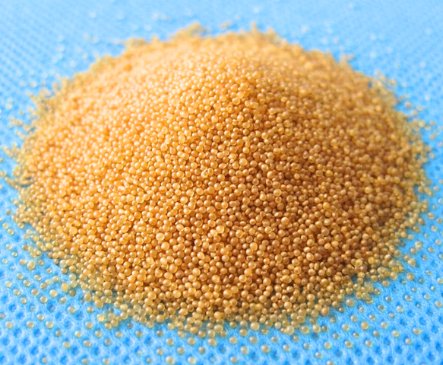
Cation, anion, mixed bed and selective resins from leading manufacturers.
Regeneration
On-site regeneration or vessel exchange.
Inspection and testing
Vessel inspection, resin condition checks and water sampling, with results recorded for your compliance file.
Recent ion exchange projects
Case study
Molybdenum removal and rapid tank drawdown
Ion exchange vessels selected to target molybdenum, paired with our containerised RO, treated contaminated water from a 12.8 ML storage tank to meet the discharge permit.
31 dayscompleted
12.8 MLtreated
Withinpermit limits
Mine power station
Standby ion exchange vessels mobilised to supply demineralised water and prevent plant downtime.
Gladstone
Demineralisation plant rebuilds and operator training.
Mount Isa and Dajarra
Demineralisation and ion exchange supplies for mine and plant water.
Ion exchange FAQs
What is ion exchange water treatment?
Ion exchange passes water through a resin that swaps unwanted dissolved ions, such as calcium, metals or molybdenum, for harmless ones. It is used to make demineralised water, to soften water and to remove specific contaminants.
What is the difference between ion exchange and reverse osmosis?
Reverse osmosis pushes water through a membrane and removes most dissolved salts at once. Ion exchange targets specific ions using resin. They are often used together: RO does the bulk removal and IX polishes or targets what is left.
What is demineralised water used for?
Demineralised water is used where dissolved minerals would cause problems: boiler feed and steam systems, power station turbines, laboratories, and process water in manufacturing and mining.
Can ion exchange remove molybdenum and heavy metals?
Yes, with a resin selected for the target ion. We used RO with ion exchange to bring molybdenum within discharge permit limits across 12.8 ML in 31 days.
Can you supply demineralised water during a plant outage?
Yes. We have mobilised standby ion exchange vessels to a mine power station to keep high-purity water flowing during an outage.
Can you rebuild an existing demineralisation plant?
Yes. We rebuild ion exchange and demineralisation plants, including vessels, resin, valves, PLC and instruments, and train your operators. See water treatment plant servicing.
How often does ion exchange resin need regenerating?
It depends on your water and flow. Harder or more mineral-rich water exhausts resin faster. We size the system and set the regeneration cycle from your water analysis.
How long does ion exchange resin last?
It depends entirely on your water quality and how the system is run. On difficult water a resin bed can be exhausted within hours, so we size the vessels and set regeneration or exchange around your water analysis. Chlorine, iron and fouling also shorten resin life, and good pre-treatment helps it last longer.
How much does an ion exchange system cost?
It depends on your water, so every job is quoted individually. The main factors are the contaminants in your water analysis, the daily volume, the purity or permit limits you need to meet, and whether you need a permanent system or standby vessels for a short period. Send us a water analysis and we will come back with a recommendation and price.
What do you need from me to quote an ion exchange system?
A recent water analysis, your target water quality or permit limits, the daily volume and your site location. You can submit these online for an obligation-free analysis and recommendation.
Tell us about your water
Send your water analysis and target limits, and we will recommend an ion exchange, RO or combined system. The analysis and recommendation are obligation-free.